
Spec’ing Pumps for Canadian Wildland & WUI Apparatus
Scroll DownA Canadian Perspective on Wildland & WUI Firefighting Equipment
In Canada, wildfire response is defined by distance, terrain, and time. From boreal forests and remote northern communities to expanding wildland-urban interface (WUI) zones, firefighters are often operating far from infrastructure, supply chains, and technical support. In these conditions, equipment specifications are not theoretical, they are operational necessities.
When departments and OEMs spec apparatus for wildfire response, the pump is not a line item. It is the heart of the system and the most important piece of equipment on your apparatus. And when the spec matters, so does the pump.
The Reality of Canadian Wildfire Operations
Canadian wildfire and WUI response presents unique challenges:
- Long response times and remote access
- Limited or non-existent hydrant systems
- Drafting from lakes, rivers, and portable tanks
- Extreme temperature swings and rugged terrain
- Crews operating hours from service centers
Whether responding to a fast-moving grass fire, protecting remote infrastructure, or conducting prescribed burns, Canadian agencies rely on equipment that performs consistently — every time, without compromise.
That’s why pump selection plays a critical role in how an apparatus performs in the field.
Why Pump Specifications Matter
In wildfire operations, pump performance directly impacts:
- Water delivery over distance and elevation
- Ability to draft reliably from natural water sources
- Sustained operation during extended incidents
- Compatibility with structure protection systems
- Ease of service and durability in remote environments
A pump must do more than meet a minimum requirement. It must support real-world firefighting conditions across multiple missions, sometimes within the same shift.
Structure Protection Trailers: A Growing Canadian Solution
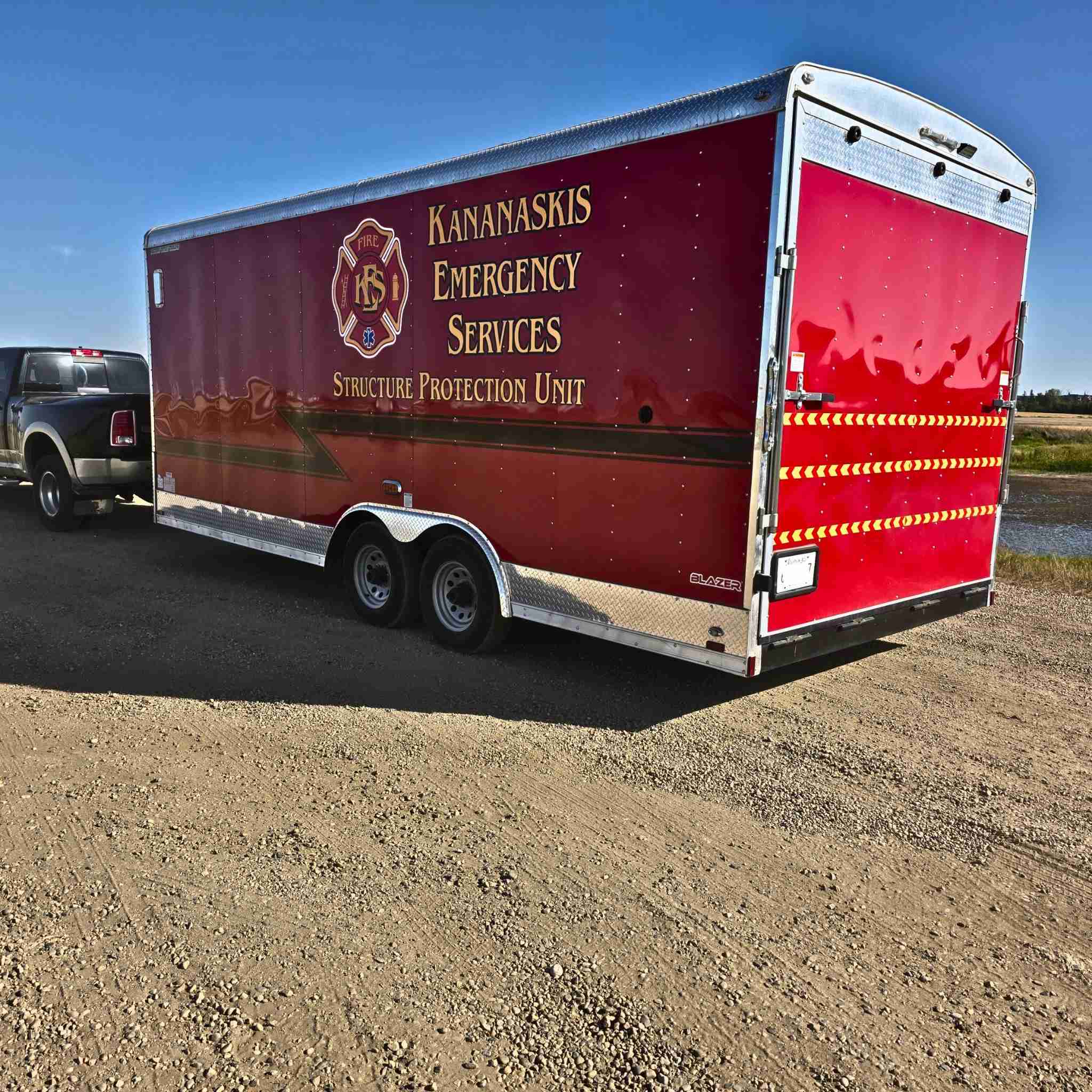
Across Canada, more agencies are deploying structure protection trailers as part of their wildfire mitigation and response strategies.
These trailers are designed to be rapidly deployed in interface zones and around critical infrastructure, carrying:
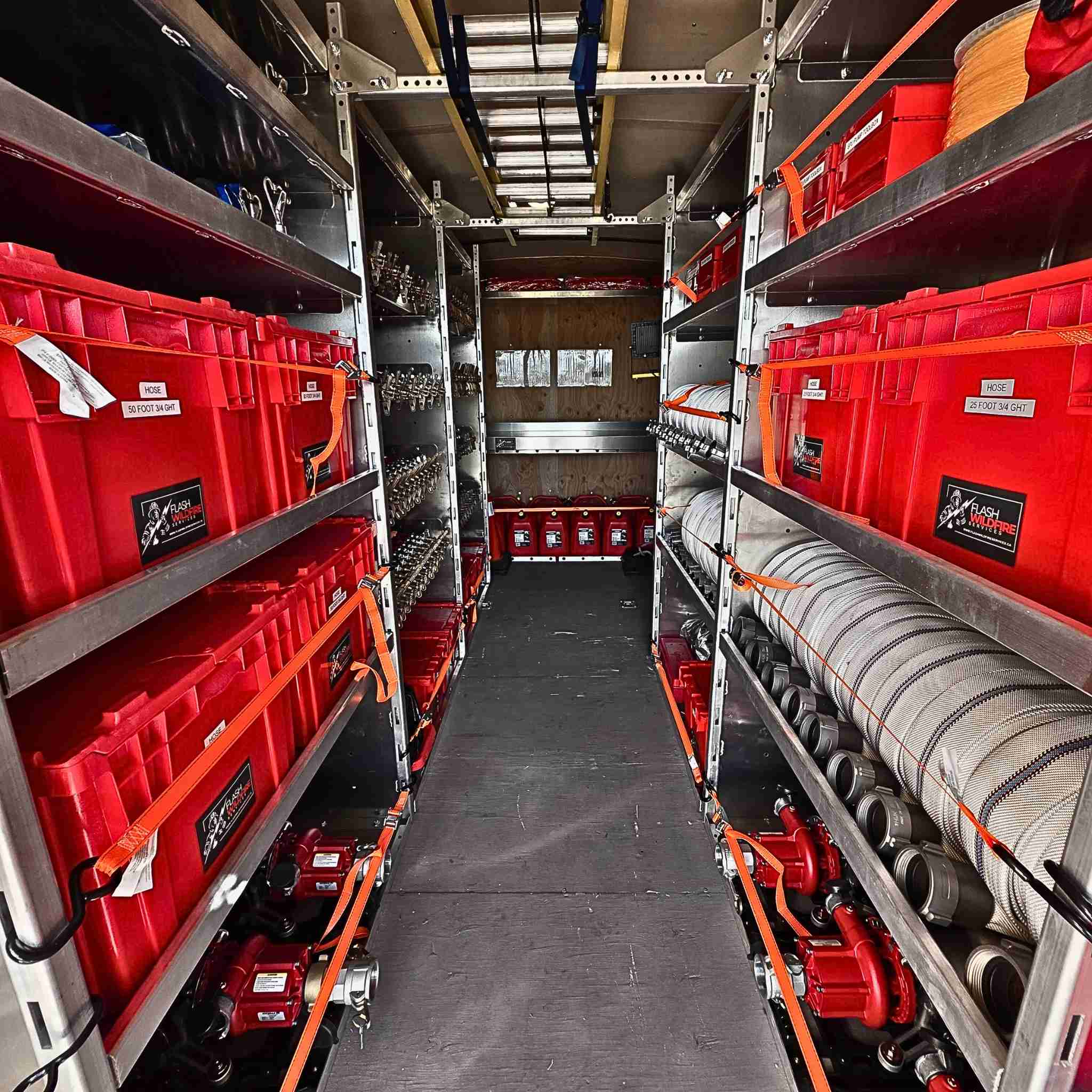
- High-pressure pumps
- Hose, manifolds, valves, and fittings
- Sprinkler kits and distribution systems
- Tools and accessories for fast setup
When minutes matter, these trailers allow crews to protect multiple structures simultaneously, provided the pump system at the core is engineered for that workload.
Why Multiple High-Pressure Pumps Matter
Many structure protection trailers are now equipped with multiple high-pressure pumps to:
- Feed several sprinkler lines at once
- Maintain pressure across long hose runs
- Provide redundancy during extended operations
The MARK-3® Watson Edition is frequently selected for these configurations because it delivers consistent high pressure and flow while remaining compact, portable, and serviceable in the field.
Rather than relying on a single centralized pump, multi-pump trailer setups allow crews to scale protection efforts based on structure density, terrain, and available water sources, a critical advantage in wildland urban interface environments.
Beyond the Numbers: Engineering That Shows Up
Pump specifications like pressure, flow, and weight matter — but in Canada, so do:
- Cold-weather reliability
- Corrosion-resistant materials
- Long-term serviceability
- Compatibility with standardized fittings and trailer systems
WATERAX pumps are engineered with these realities in mind, supporting agencies that need equipment capable of working day after day, often far from support infrastructure.
Pumps Built for Canadian Applications
WATERAX pumps are designed to meet the realities of wildfire response, where versatility, reliability, and performance are essential.
High-Pressure Response: BB-4® Pumps
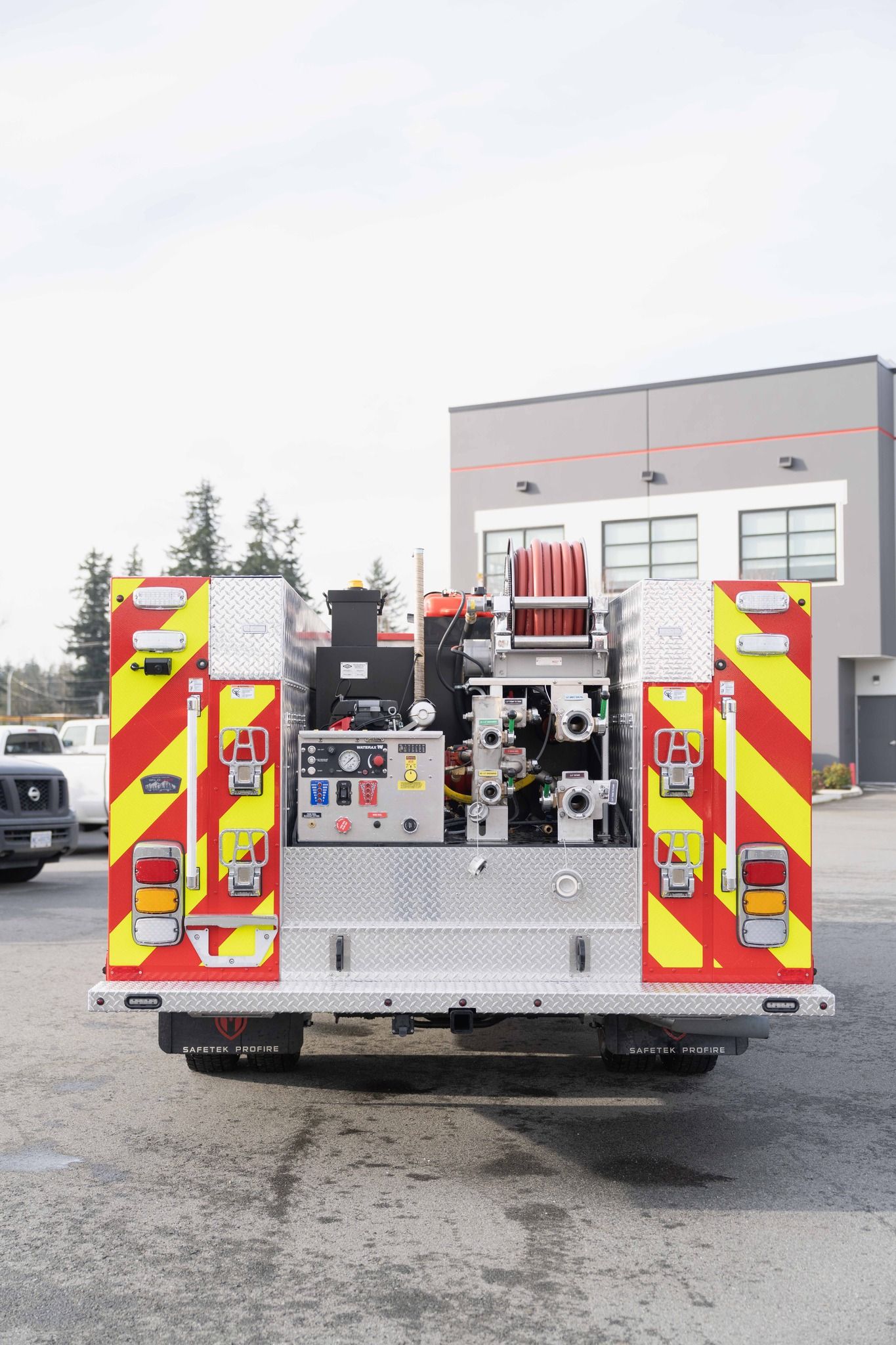
For agencies requiring high-pressure performance in initial attack and remote operations, BB-4® pumps are widely used in wildland and rural response builds. Their power-to-weight ratio supports rapid deployment while delivering the pressure needed for long hose lays, elevation changes, and structure protection.
BB-4® pumps are commonly integrated into Type 3 and Type 6 wildland apparatus used across North America — including in areas where terrain and distance demand dependable high-pressure capability.
Balanced Performance: B2X™ Diesel Pumps
In WUI and mixed-response environments, diesel-powered pumps like the B2X™ provide a balance of flow, pressure, and fuel compatibility. Diesel pumps are often preferred for fleet standardization, extended runtime, and compatibility with municipal and industrial fuel systems.
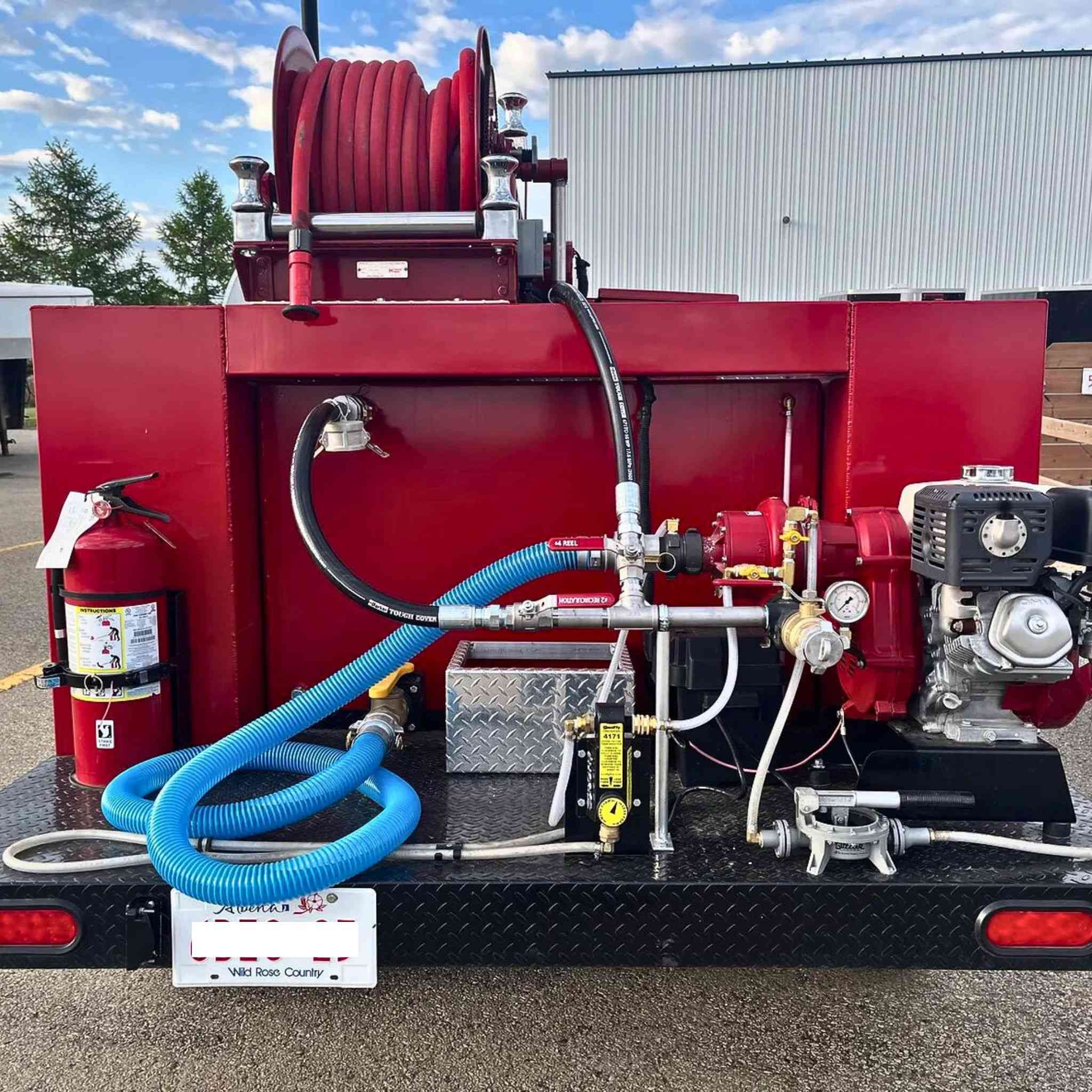
These pumps are well suited for:
- Structure protection units (SPUs)
- Rural fire departments
- Interface zones where apparatus must support multiple tactics
Compact Diesel Mobility: STRIKER™ Pumps
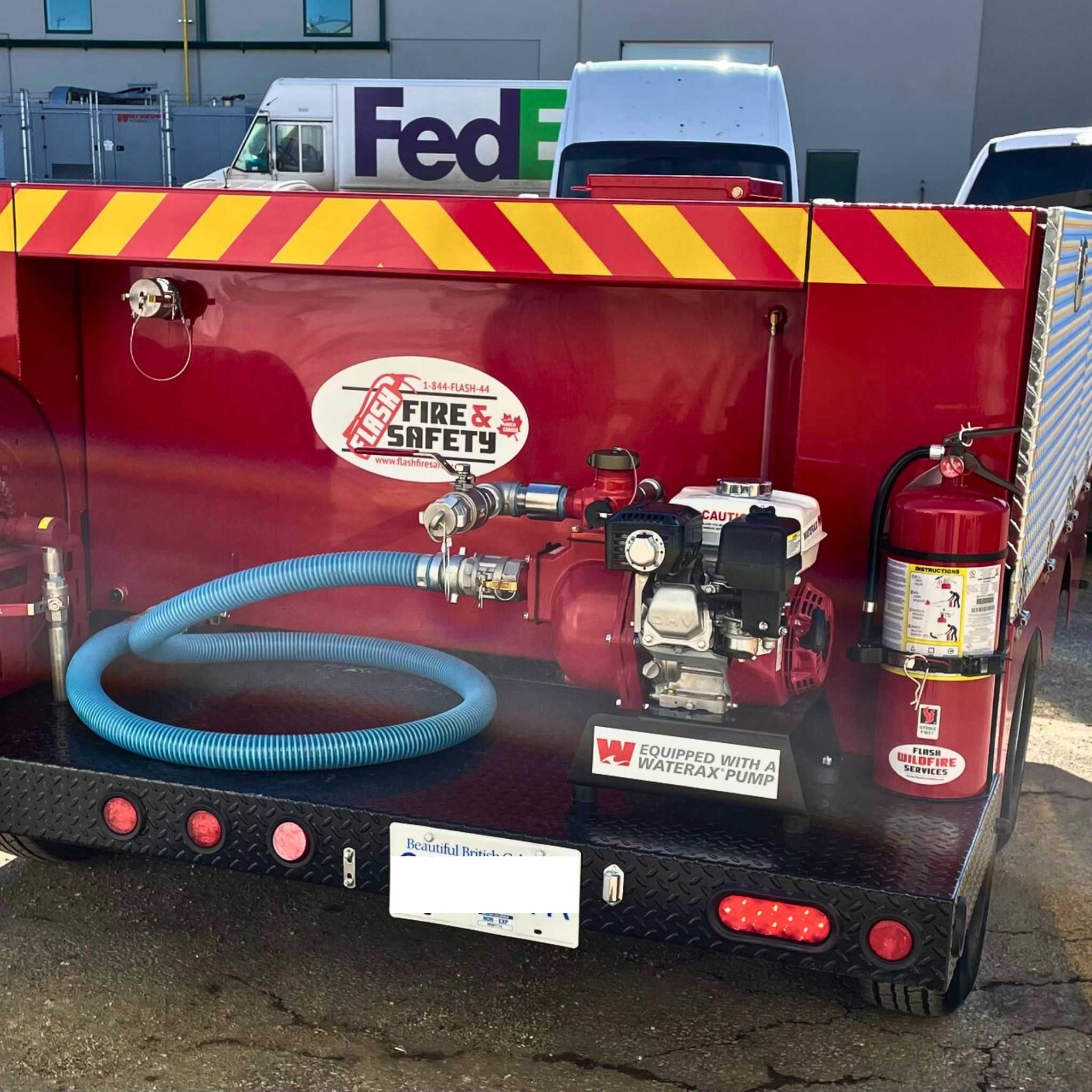
For off-road, skid-based, and compact apparatus, STRIKER™ diesel pumps offer mobility without sacrificing durability. In Canada, where access roads may be limited or non-existent, compact diesel solutions allow agencies to extend protection into hard-to-reach areas.
Multipurpose Utility & Support: VERSAX® Pumps
Wildfire response extends beyond suppression. Agencies increasingly require equipment that supports:
- Prescribed burning
- Water transfer and tank filling
- Equipment washing
- Property and infrastructure protection
VERSAX® centrifugal pumps are used across Canada in skid units, trailers, UTVs, and utility platforms. Their self-priming capability, consistent flow, and ease of use make them ideal for prevention and preparedness programs, including FireSmart-aligned initiatives.
Beyond Fire Suppression: Prevention & Resilience
Across Canada, wildfire strategy increasingly emphasizes prevention and resilience. Pumps are no longer used only during emergencies, they are tools for year-round land management and community protection.
Applications include:
- Prescribed and cultural burning
- Defensible space preparation
- Structure protection during high-risk periods
- Community water movement in remote areas
In these scenarios, having reliable centrifugal pumps available before a fire starts can significantly reduce risk and improve outcomes.
OEM Integration Matters
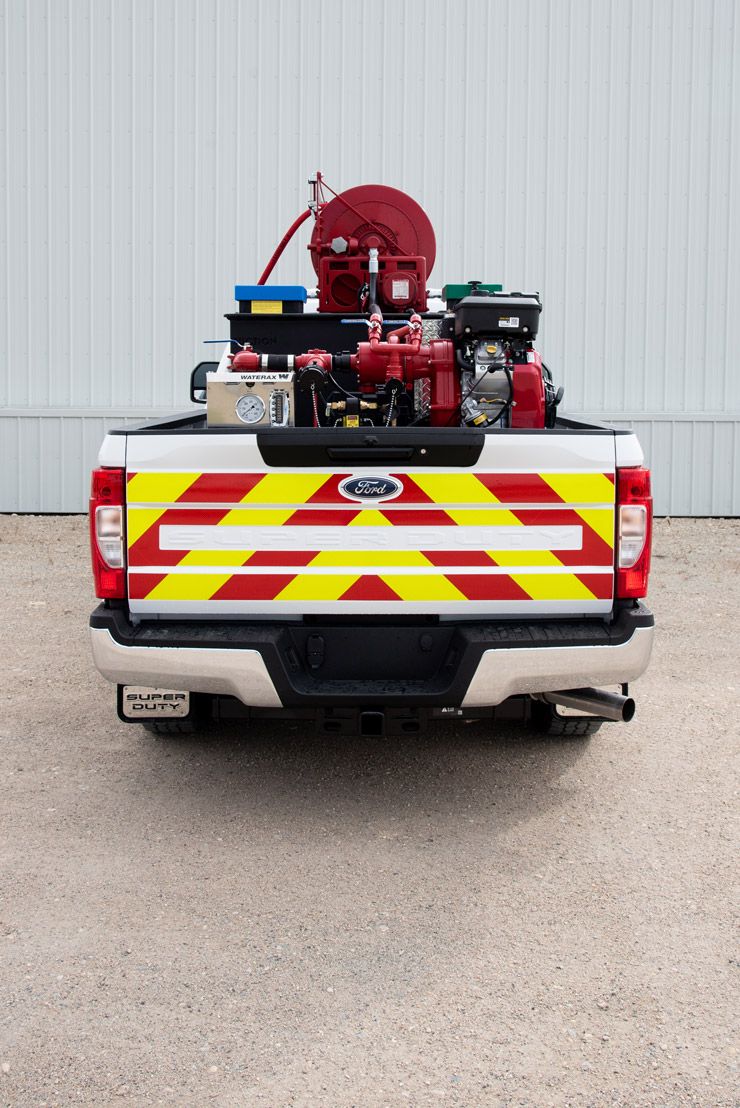
Most wildfire apparatus is built through OEMs and converters at the time of manufacture. Pumps must integrate seamlessly into the overall system such as hydraulics, plumbing, controls, and operator ergonomics included.
That’s why OEMs across North America choose pumps that are:
- Proven in the field
- Easy to integrate
- Supported long-term
- Flexible across multiple configurations
When a pump is correctly specified from the start, it becomes an asset — not a limitation.
Built for Wildfire Response
Whether mounted on a structure protection trailer, deployed as part of a portable pump kit, or integrated into vehicle-mounted systems, WATERAX solutions are designed to support:
- Wildfire suppression
- Structure and asset protection
- Remote and initial-attack operations
- Training and preparedness programs
The right pump ensures that water moves when and where it’s needed — whether that’s stopping a fire’s advance or protecting a community hours away from the nearest base.
When the spec matters, so does the pump. And in Canada, that matters every day.